
Pickleball paddle core thickness: 13mm, 14mm or 16mm
· 2 min read
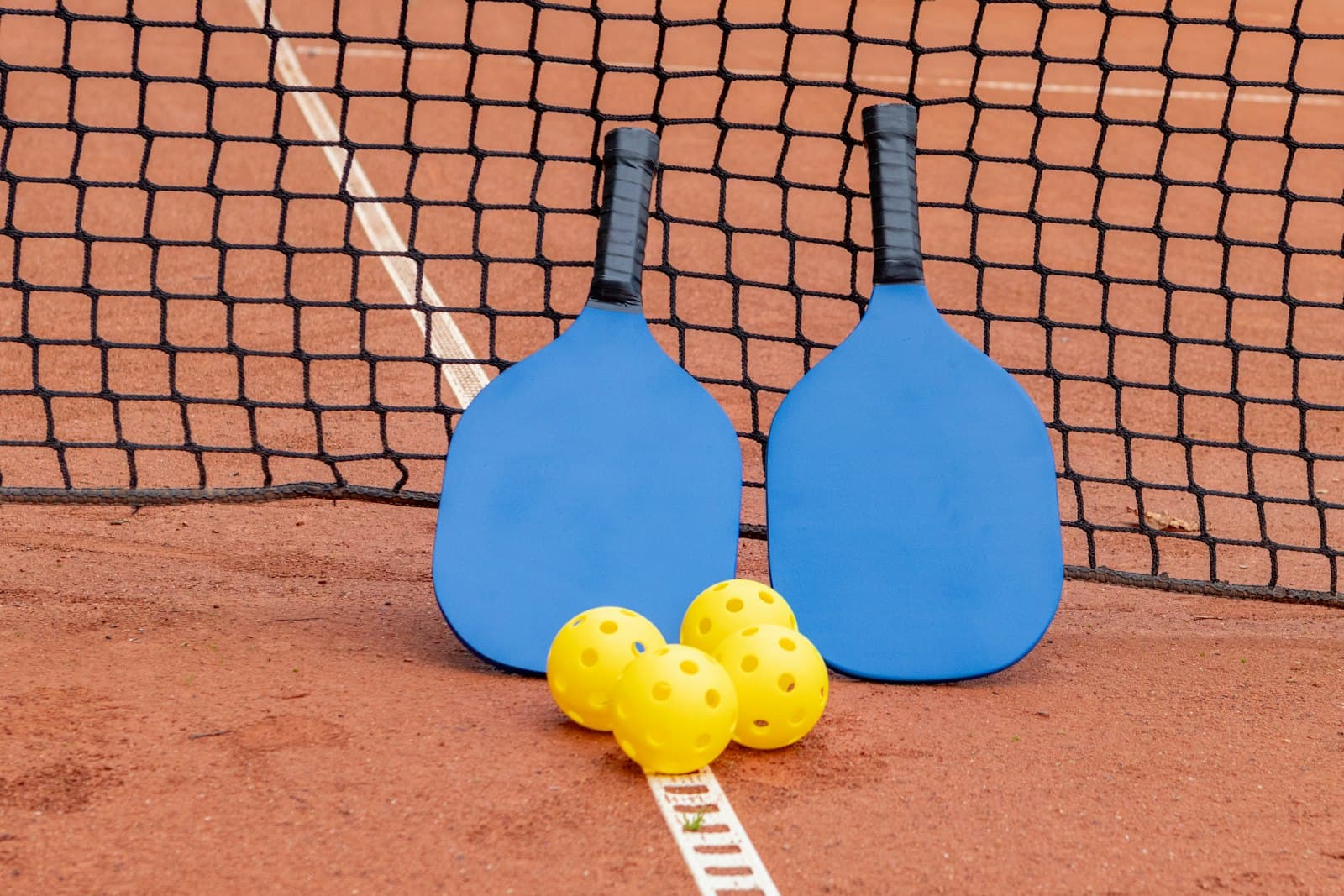
Core thickness is the biggest single influence on how a paddle feels. Thinner is faster, thicker is more controlled.
A pickleball paddle is a face material bonded to a polypropylene honeycomb core. The face sets spin and surface behaviour; the core thickness sets feel. Of the two, core thickness is the specification players notice most immediately.
The honeycomb structure absorbs energy on impact and returns it. A thicker core has more material to compress, so it absorbs more and returns less — which produces a softer, more controlled response and a slightly larger effective sweet spot. A thinner core compresses less and returns more, which reads as pop.
| 13mm | The thinnest option. Firmer and faster, favouring drive, speed and put-aways. |
|---|---|
| 14mm | A middle ground — keeps pop without giving up touch. |
| 16mm | The thickest. More dwell time and control, best for the soft game and placement. |
The market has moved toward thicker cores over the last few years as the soft game has become more central to how pickleball is played at club level. If you are building a range and can only carry two, 16mm and 14mm cover more of the market than 13mm and 16mm would.

Face material is specified separately, so a single range can carry both. Carbon fiber gives a firmer, more controlled response with more bite for spin; fiberglass flexes more and returns more power off the face. Shape — including elongated profiles that extend reach at the cost of a narrower face — is chosen alongside the core.
Minimum order for pickleball paddles is 50 units, and you can combine paddles and padel rackets, and multiple models within each, into one production programme.