
3K, 12K, 18K, 24K: what carbon fiber grades actually mean
· 2 min read
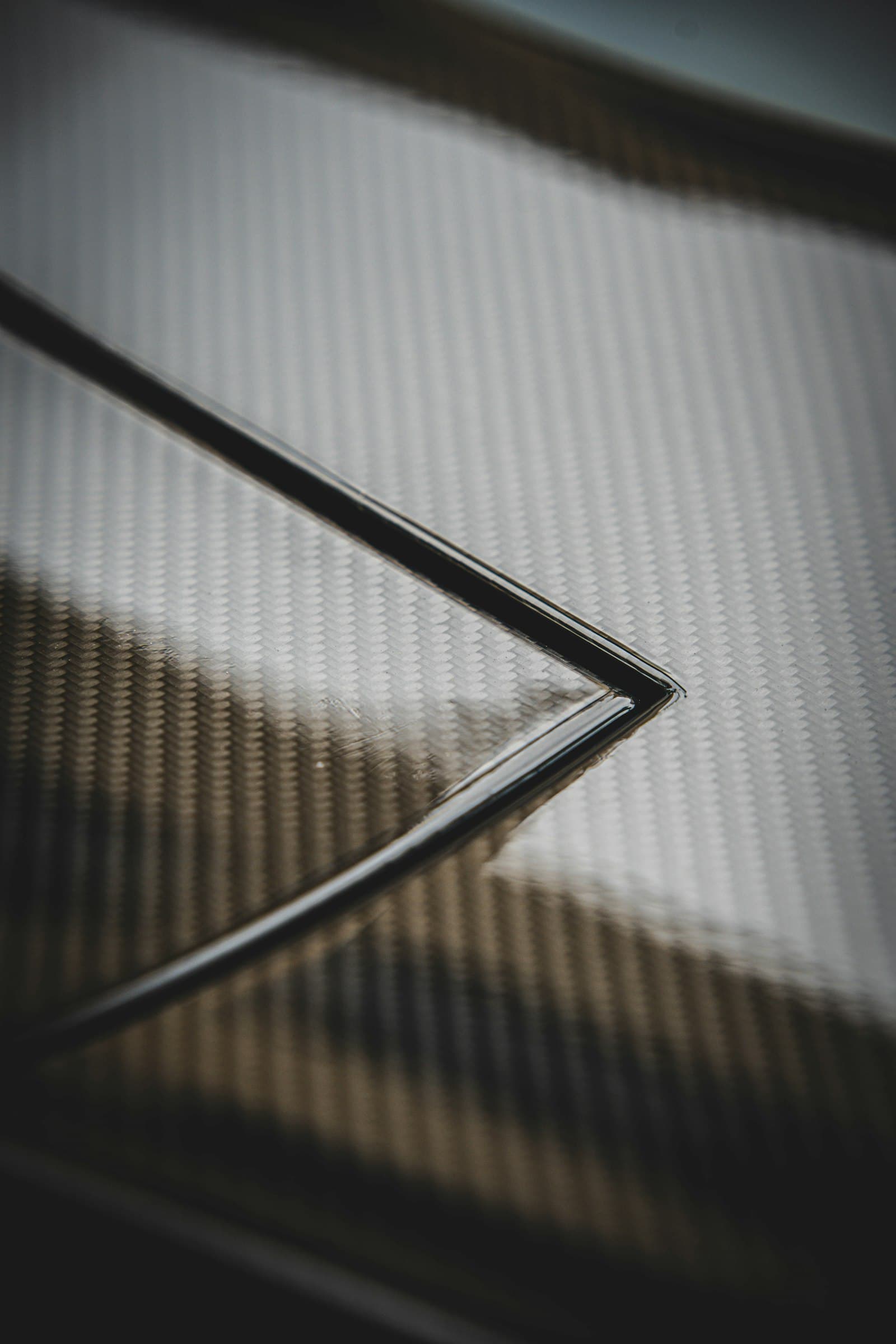
The K number counts filaments per tow, not quality. Higher is not automatically better — it changes stiffness, feel and price.
The K in 3K carbon stands for thousand. It is the number of individual filaments bundled into each tow — the strand that gets woven into the fabric. 3K means roughly 3,000 filaments per tow, 24K means roughly 24,000. That is the whole definition. It is a measure of construction, not a grade of quality, which is the single most common misunderstanding when brands are specifying a first racket.
Because a 24K tow is much thicker than a 3K tow, the weave it produces is visually larger — the big chequerboard pattern you see on premium rackets. A 3K weave is tight and fine. That difference in appearance is why the number ended up being used as a marketing signal, and why buyers often assume 24K is simply the better option.
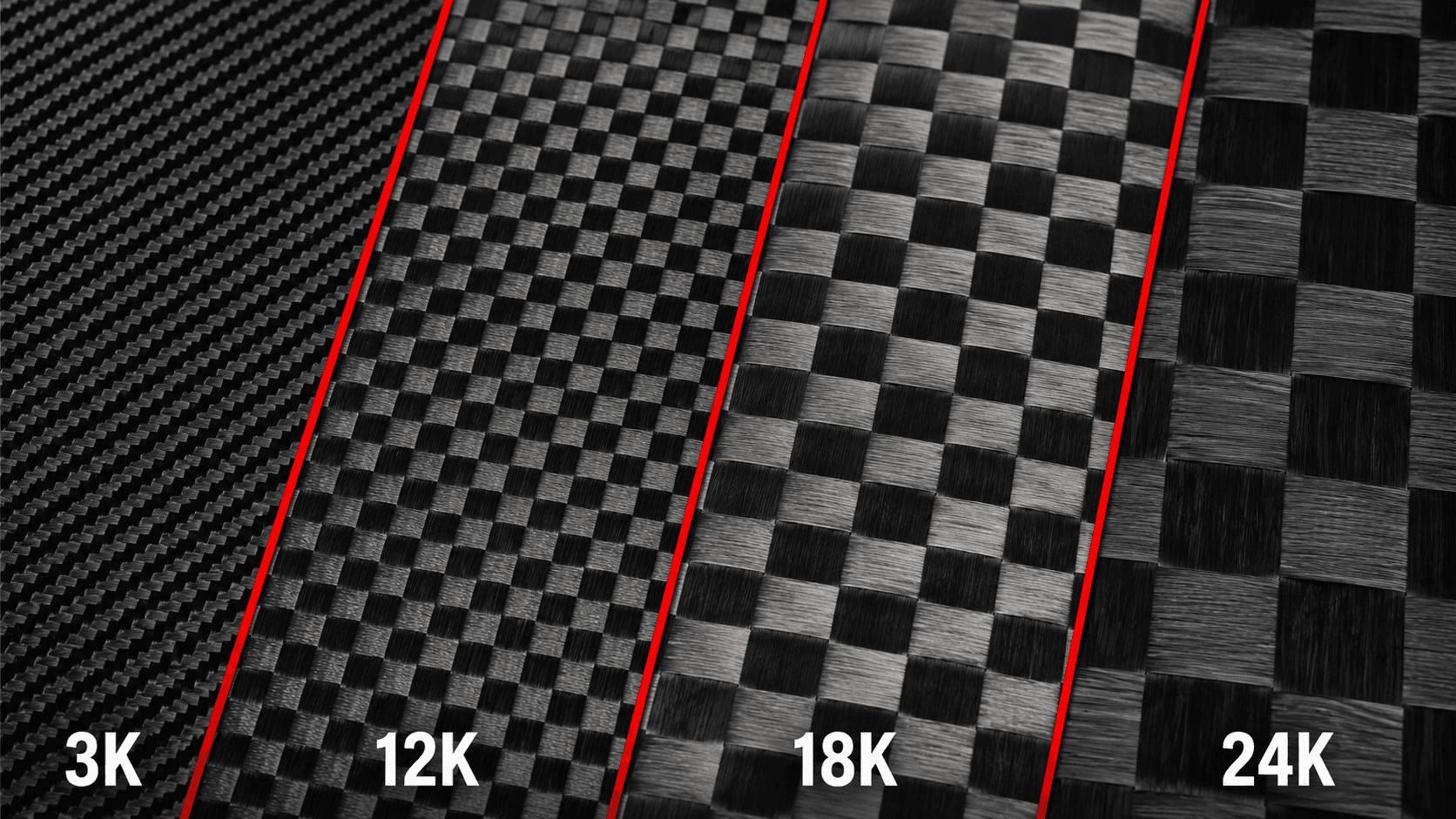
What actually changes between grades, in practice:
- 3K — a tighter weave with a softer, more forgiving response. The most accessible price point, and a sensible face for control-oriented and entry-level lines.
- 12K and 18K — the middle of the range. These are where most flagship models land, because they balance stiffness against cost without committing to either extreme.
- 24K — the stiffest and most responsive, with the large weave pattern buyers associate with premium product. Best suited to competition-tier rackets aimed at advanced players.
A stiffer face transfers more energy back into the ball, which reads as power. It also transmits more vibration to the arm. This is why a 24K face is not the right answer for every product: on a racket aimed at club players, that stiffness can make the racket feel harsh and unforgiving, and the larger sweet spot they actually need gets harder to deliver.
Grade is also not the only lever. Fiberglass-carbon hybrid and Kevlar-carbon blend layups are both available, and they change the feel in ways a straight carbon grade cannot — fiberglass adds flex and returns more power off the face, Kevlar adds damping. If you have a specific feel or a specific price target in mind, the layup is often a better place to solve it than the K number.
One practical note on specifying: the face grade interacts with the core. A stiff 24K face over a soft 13-15° EVA core plays very differently from the same face over black high-density EVA. Decide the two together rather than in sequence.